
Inside the Garfield County Most Wanted Program
Garfield County publishes no roster of wanted people. The closest thing to a most wanted program is Special Problems Enforcement and Response, known as SPEAR. It is a full-time, multi-agency task force. The unit backs major-crime intelligence, coordinates fugitive work, and executes serious arrest and search warrants. A member-agency board, a commander, and the district attorney run it through an independent structure. The Garfield County Sheriff's Office joins municipal police, state, and federal partners as each case demands. The sheriff's program page describes this effort, and it posts no names, photos, mugshots, or wanted posters. It is an enforcement team, not a lookup tool.
No Garfield Most-Wanted Roster
The sheriff's office runs no "most wanted" page, no "fugitive of the week," and no Crime Stoppers roster. It posts no reward schedule, no anonymous web form, and no update cadence for a list. That matters. Promising anonymity or cash on the county's behalf would invent terms the official program never offers. What GCSO does publish serves other purposes. Press releases sometimes report warrants executed, and activity reports note past warrant arrests. The current-inmate tool shows custody and refreshes every two hours. Each tool does its own job, but none of them is a Garfield County most wanted list, and none will tell you whether a warrant is still open.
Program rule: Official fugitive work is described and linked without copying a person's name, image, charge, case, or warrant.
How Garfield County Most Wanted Lists Work
People often use "most wanted" and "active warrant" as if they meant the same thing. They do not. A true most-wanted list is a curated subset: an agency picks a few high-priority cases for public notice, updates the display, and pulls an entry after arrest, surrender, recall, or another verified change. Garfield County has never published such a roster or a schedule for one. SPEAR works behind the scenes instead. Partner agencies share intelligence and coordinate enforcement, and public releases may describe a finished operation. Those releases never show every active warrant or set a standing list. The gap cuts both ways, too. If you are absent from GCSO pages, that says nothing final about your warrant status. A court can recall or quash a warrant, and a serving agency can report execution. Any public notice would depend on those updates reaching a publisher that Garfield County does not have. So do not infer selection criteria, removal timing, or publication rules the county has never stated. Note: A task-force program and a most-wanted roster are two different products; Garfield County has the first, not the second.
SPEAR Coordinates Garfield Fugitives
SPEAR began in 2022, when two earlier regional efforts, TAG and TRIDENT, merged into one. Per its own history, TAG investigators had joined Colorado Violent Offender Task Force fugitive operations since 2017. Partners can include the Garfield County Sheriff's Office, municipal police, the Colorado Bureau of Investigation, U.S. Marshals Service, Drug Enforcement Administration, Homeland Security Investigations, and Colorado State Patrol. The official SPEAR program page gives the program's own account of all this.
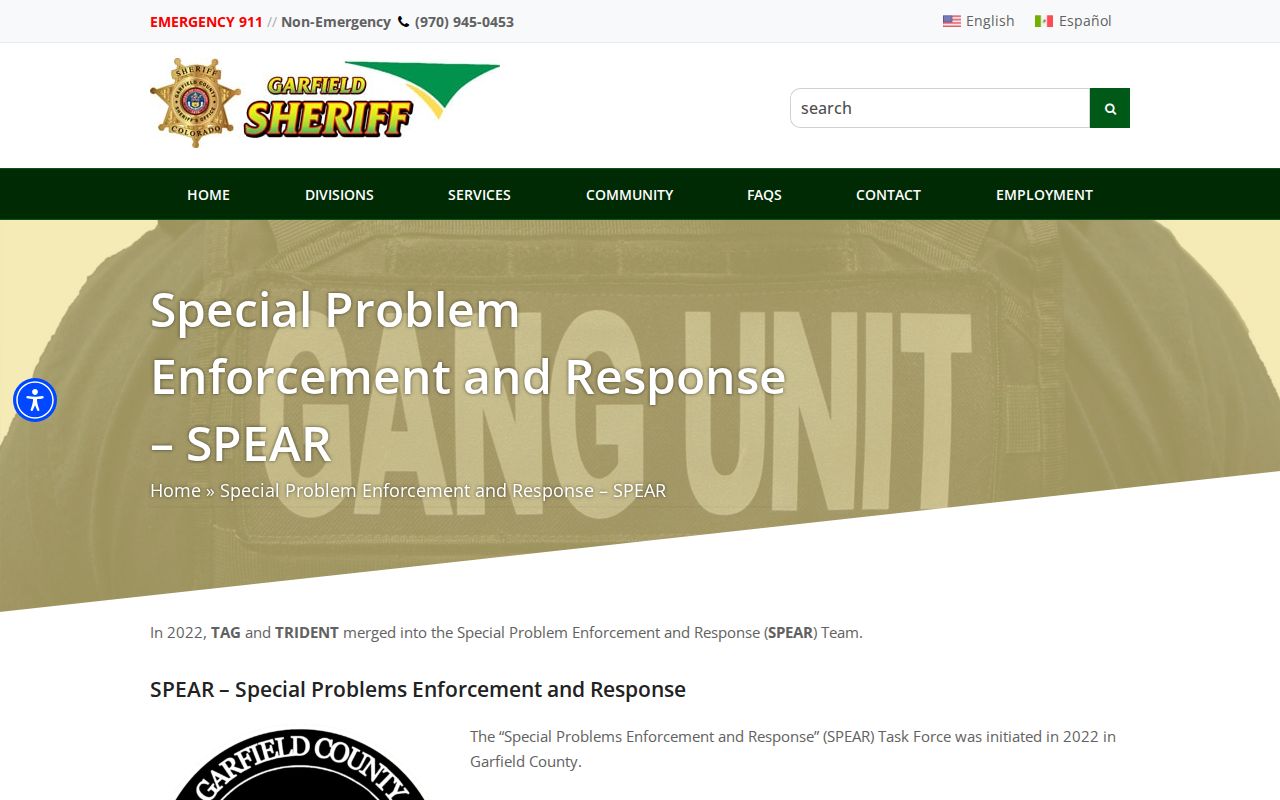
That page names the program and gives its public information line. It is not a person-centered warrant lookup, and it lists no wanted subjects. Joining a task force does not move the warrant record either. A Garfield County judicial officer issues a state warrant, and Garfield County Combined Courts keeps the case file. A municipal judge controls a city warrant. SPEAR and its partners may plan service, share intelligence, or locate a fugitive, but the issuing court remains the source for bond, hearing, recall, and quash details in Garfield County.
Sending a Most Wanted Tip Safely
SPEAR publishes 970-945-0744 as its information contact. General tips can also go through Garfield County non-emergency dispatch at 970-625-8095 or the police department with jurisdiction. Save 911 for an immediate emergency. Never confront, follow, detain, or tip off a person you believe is wanted.
- Move to a safe place and note the location, direction of travel, vehicle, and time.
- Call the agency with jurisdiction or the verified SPEAR information line.
- Describe what you observed without guessing about identity or the warrant.
- Follow the dispatcher's instructions and let trained officers act.
Garfield County offers no anonymous web tip form and no reward program. A phone call may not be anonymous and may not earn cash.
Safety first: Report useful facts, step away, and never attempt to stop or pursue someone you think may be wanted.
Garfield Press Releases Are Not Lists
Official releases record how agencies work together during or after enforcement. A January 2025 county release described SPEAR, the GCSO, and Rifle Police serving Garfield and other Colorado-county warrants in a coordinated traffic stop. A May 2026 release covered SPEAR, CBI, U.S. Marshals, and local police running fugitive warrant operations. The stories show the network. They do not show the current caseload. The GCSO press-release index is the official place to find these reports and see what each one covers.
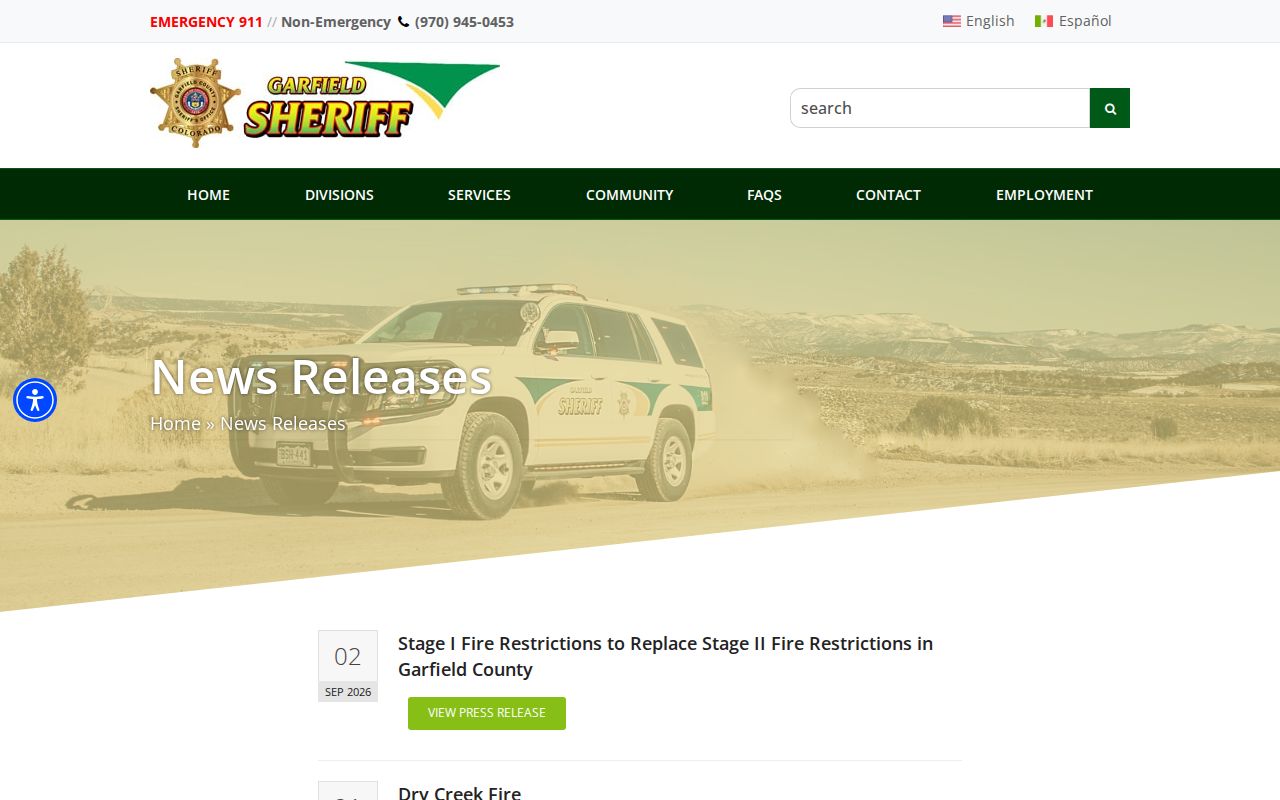
Treat the archive as dated news. It cannot prove a past subject is still wanted, or that an unnamed Garfield County warrant does not exist.
How Most Wanted Differs From an Active Warrant
The terms get mixed up, but they mean different things. Garfield County runs verified court and enforcement processes for active warrants, yet posts no most-wanted roster.
| Feature | Most-wanted roster | Active warrant | SPEAR program |
|---|---|---|---|
| Purpose | Public notice of selected cases | Court order authorizing enforcement | Agency coordination and investigations |
| Scope | Curated subset | Any warrant still active | Priority cases assigned to partners |
| Public product here | Not located | No complete public GCSO list | Official program page |
| Status authority | Publishing agency | Issuing court and serving agency | Not a public clearance desk |
A most-wanted page is not a warrant list. A Garfield County active warrant search runs through the issuing court, official dockets, and sheriff or jail confirmation, and the active-warrant process walks through those steps in order.
Garfield Fugitive Program and Court Clerk
A fugitive task force hunts people named in warrants. The court clerk keeps the judicial case file. That file can show what the court entered on issue, bond, hearing, recall, or quash. GCSO and local police serve orders too. Each agency keeps its own records, so the roles meet in an arrest but stay distinct when Garfield County residents ask for public information.
- Most-wanted roster
- A selected public display maintained by an agency; none was located for Garfield County.
- Active warrant
- A court order not reported served, recalled, quashed, or cleared.
- Fugitive task force
- A multi-agency team that shares intelligence and coordinates enforcement.
- Issuing court
- The court that controls the warrant, bond terms, appearance, and recall.
- Press release
- A dated account of selected agency work, not a live database.
Call the clerk about your own case status. Call law enforcement with a current public-safety tip. State felony and county matters route to Garfield County Combined Courts, while city ordinance and city traffic files stay with the municipal court that holds them. SPEAR does not replace either clerk. It also cannot give a public caller a judicial recall order, which is why a personal warrant concern and a safety tip use separate contacts.
Restricted Garfield Warrant Information
Colorado criminal justice records law lets a custodian deny inspection when law, court rule, or an order prohibits disclosure, or when release would conflict with the public interest. Pre-execution arrest or search-warrant material may be withheld. Juvenile court and probation data get added protection. A Garfield County warrant file is not always open. For closed matters, the Judicial Branch publishes an official sealing and expungement route that explains who qualifies and how access changes.
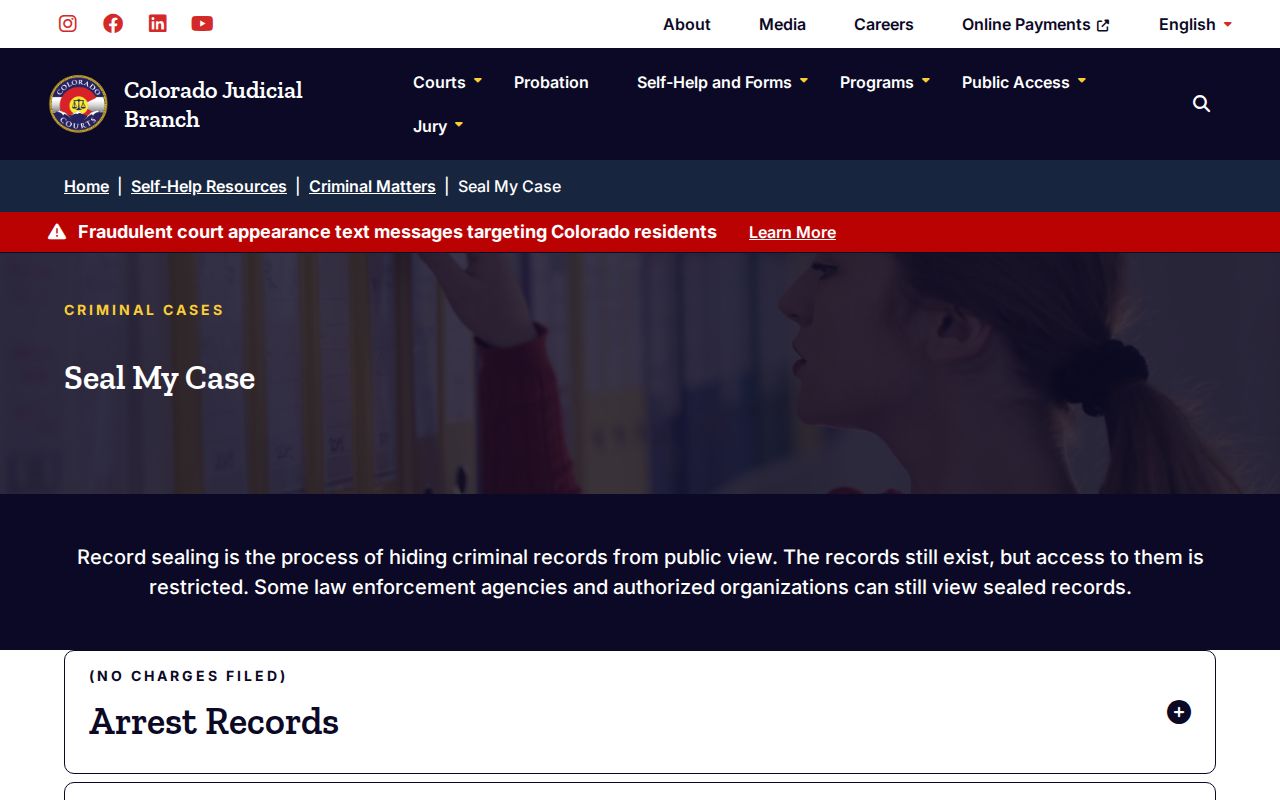
Sealing changes public access under legal rules. It does not make a task-force page into a public warrant register. One more reason to skip substitute lists. A docket may omit a sealed matter. A press archive can preserve an old report while missing the current court event in the same case. Stitch those fragments together in Garfield County and you risk a stale, false roster. Official program links and direct court verification stay separate.
When You Believe You Are Listed
If a Garfield County warrant might carry your name, treat a press release, social post, or task-force page as a lead only. Do not treat it as the final answer. Talk to a Colorado attorney when possible. Counsel can ask the issuing court about the case number, warrant type, bond, appearance, surrender route, and whether a recall or quash order exists. For state-court matters, Garfield County Combined Courts answers at 970-928-3065. GCSO jail and booking is 970-945-1377 ext. 1034. Bond contact is ext. 1033. A city summons belongs with its municipal clerk, and the court, not SPEAR, decides how its warrant is recalled. One warning from GCSO. It never calls to demand payment for a warrant or fine. If a caller asks for gift cards, crypto, a wire, or payment to avoid arrest, hang up and independently dial 970-625-8095.
Important: Do not walk into an enforcement office without verified instructions; confirm the warrant and plan a lawful appearance or surrender with counsel.